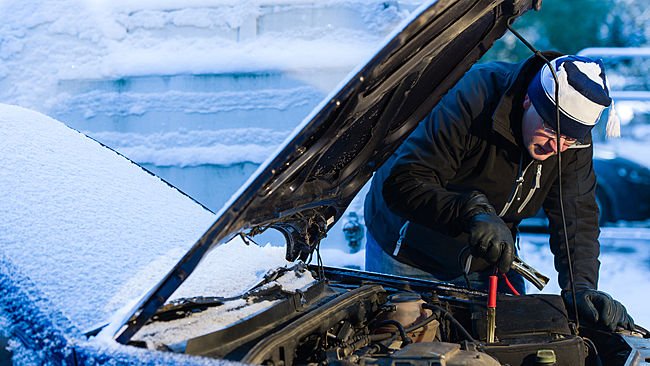
When freezing temperatures strike and your car refuses to start, panic can set in fast. There’s nothing quite like standing outside in biting wind, turning the ignition key again and again, and getting only sputters and silence. The good news is that there are proven strategies for tackling this exact issue. Below, you’ll learn how to bring your vehicle back to life quickly—even when the mercury plunges well below zero.
Warm Up the Battery First
A battery can fail in cold weather no matter how “new” it seems. Sub-zero temperatures sap a battery’s power, often leaving it unable to generate the amps required to crank the engine. Also, older or corroded batteries with poor cold-cranking amps will struggle even more.
- Test the Current Battery
- Check the battery’s cold cranking amp (CCA) rating. Many people believe a battery is fine because it was recently purchased, but if it’s not rated high enough for severe cold, it won’t deliver the necessary power.
- Clean the Terminals
- Even light corrosion on battery posts can cause dramatic power loss. Gently scrub both the posts and cable clamps with a wire brush until you see fresh, shiny metal.
- Try a Jump Start or Battery Charger
- If your battery is truly depleted, connect it to a proper charger or use jumper cables from another running vehicle. This is a quick-fix approach that can supply the needed kick to help the engine turn over.
- Use a Battery Warmer
- People who exclaimed “You saved my life!” in frigid climates often rely on battery blankets or a portable jump pack stored indoors. A warm battery delivers far more consistent power, so consider a thermal wrap if you frequently face sub-zero temperatures.
Inspect and Secure Electrical Connections
A new or fully charged battery will do little good if your electrical system has loose or corroded connections. When the temperature drops, cables shrink slightly, which can worsen any existing weak spots in the wiring.
- Check Cable Tightness
- Gently wiggle the battery cables to ensure they’re firmly attached. If you feel any movement, tighten them.
- Examine the Ground
- There’s typically a thick cable running from the battery’s negative post to the frame or engine block. Clean and secure this connection to ensure a solid ground.
- Look for Cable Damage
- If a cable’s insulation appears cracked or you see greenish-white corrosion creeping beneath the insulation, it’s time to replace that cable.
Verify Fuel Supply and Prevent Freezing
In extraordinarily cold weather, ice crystals can develop in fuel lines, especially if moisture has accumulated. This may block proper fuel flow, making the vehicle act as though it’s starving for gas.
- Fill the Tank and Add Antifreeze
- Keeping your gas tank above half full helps reduce the chances of moisture buildup. You can also add a commercially available fuel-line antifreeze.
- Confirm Fuel Pump Operation
- Switch the key to the ON position (not fully start) for a few seconds. Listen for a soft whir from the fuel pump. If you hear no whirring sound, the pump or its relay may be suspect.
- Use Synthetic Oil
- Although not directly about fuel, the viscosity of your oil can influence whether the engine turns over quickly enough to suck in adequate fuel. A 0W-xx or 5W-xx synthetic blend performs better in sub-zero environments, preventing extreme drag on the crankshaft.
- Clear Flood Mode
- If the engine almost starts but then abruptly dies, you may have flooded cylinders. Most modern vehicles have a “clear flood” feature when you press the accelerator to the floor while cranking. This briefly stops the injectors from spraying more fuel and can help you start the engine if it’s flooded.
Warm the Engine Block
Many drivers in icy regions rely on block heaters to keep their engines in a more “ready-to-run” state. If your vehicle doesn’t already have one, installing an engine block heater or oil pan heater is a practical step for continuous cold-weather driving.
- Check if You Already Have One
- Some vehicles come pre-equipped with a block heater. You’ll see an electrical plug tucked around the front grille or under the hood. If you have it, be sure the cord isn’t worn or damaged.
- Use an External Heat Source in Emergencies
- People who’ve found themselves truly stuck in extreme temperatures sometimes resort to carefully placing a space heater (never leave this unattended) beneath the engine or even under a tarp that covers the hood area. This approach can be risky if not done carefully, but can help thaw and warm vital components.
- Lighter Oil
- As noted above, 0W-30 or 0W-20 synthetic formulations reduce friction. This, in turn, lowers the cranking effort needed from the starter.
Inspect the Starter and Spark
If warming the battery and checking the connections doesn’t help, then the starter and ignition components might be the culprits.
- Check for Sluggish Cranking
- Slow “rrr rrr” noises usually indicate a weak battery. But if the battery is strong and you still get slow or no cranking, the starter itself could be worn out or frozen.
- Spark Plug Maintenance
- Old plugs can foul faster in low temperatures if repeated failed starts accumulate unburned fuel. Pulling and cleaning or swapping them can restore the spark needed to ignite a frigid cylinder.
- Starter Solenoid Test
- If you hear only a click or a single “thunk” when you turn the key (but accessories still work), the starter solenoid may be stuck. Sometimes, gently tapping the starter housing with a hammer while a helper cranks can free it—but that’s a temporary fix at best.
Plan Ahead for Deep Freezes
Cars that routinely face harsh winters demand more proactive measures. Readers have raved about these tips as real lifesavers:
- Block Heater Timer
- Use a timer so the heater kicks on a few hours before you leave. This saves electricity and ensures the engine is toasty.
- Battery Charger and Warmer
- Plugging your car into a battery maintainer overnight is a fantastic way to keep voltage from dipping. Pair that with a battery blanket for consistent amps come morning.
- Regular Inspections
- Before the first big freeze, or at least once a season, test your battery’s cold-cranking amps, check your engine oil, and confirm your block heater cord is intact.
- Avoid Short Trips in Extreme Weather
- Quick runs around the block don’t allow the engine or battery to fully recharge. Short trips can lead to repeated cold starts, each time drawing heavy current from the battery without replenishing it, risking sudden failure.
- Carry Essentials
- Keep a quality set of jumper cables, a portable jump pack, gloves, and a warm blanket in your trunk. If the engine fails far from home, you’ll be prepared.
Wrapping It Up
Cars can be stubborn in extreme cold, but you can regain confidence with the right approach. Keep the battery healthy, ensure proper electrical connections, and consider strategies such as fuel-line antifreeze and engine block heaters. With these tips in hand, you won’t feel helpless when severe weather hits. The next time you turn the key and get nothing, you’ll have an arsenal of fixes ready to deploy—and you’ll be rolling again in no time.